What is the CBSE Curriculum Structure from Kindergarten to Class 10?
Introduction:
The CBSE curriculum is one of India’s most recognized education frameworks, designed to provide holistic and concept-based learning from Kindergarten to Class 10. It focuses on nurturing critical thinking, creativity, and practical knowledge, ensuring children are well-prepared for higher education and life skills.
At IKV School, Bangalore, the CBSE framework is implemented through digital classrooms, experiential learning, and a child-centric approach, making sure students not only excel academically but also develop essential life skills.
What Does the CBSE Curriculum Aim to Achieve?
The primary goal of the CBSE curriculum is to provide well-rounded education that balances academic rigor with co-scholastic development. Key objectives include:
- Holistic Development: Nurturing physical, intellectual, emotional, and social skills.
- Concept-Based Learning: Focus on understanding over rote memorization.
- Skill Enhancement: Critical thinking, problem-solving, communication, and digital literacy.
- Alignment with NEP 2020: Flexible pathways for student growth, experiential learning, and integration of 21st-century skills.
How Is the CBSE Curriculum Structured Across Different School Levels?
CBSE Curriculum Overview
The CBSE curriculum is organized into four main stages to cater to a child’s age, learning ability, and skill development:
- Kindergarten (Pre-Primary): Focus on play-way methods, foundational literacy, numeracy, and social skills.
- Primary (Grades 1–5): Introduction to core subjects like Languages, Mathematics, Environmental Studies, and co-scholastic areas like Art & Physical Education.
- Middle School (Grades 6–8): Deeper exploration of Science, Social Science, and languages with project-based and experiential learning.
- Secondary School (Grades 9–10): Exam-oriented preparation with focus on conceptual clarity, analytical skills, and board exam readiness.
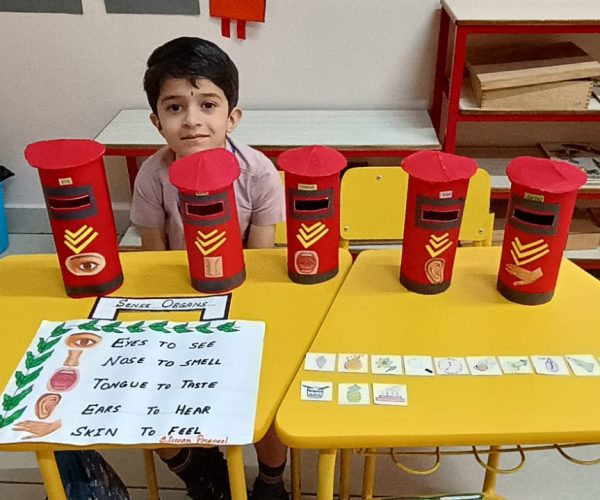
What Is Taught in CBSE Kindergarten (Pre-Primary) Classes?
CBSE Kindergarten (ages 3–6 years) :
focuses on foundational learning through play.
The curriculum is designed to develop curiosity, social skills, and basic literacy in a fun and engaging environment.
Key Features:
Play-Way Learning: Activities that teach concepts through games, storytelling, and role play.
Foundational Literacy & Numeracy: Introduction to letters, words, numbers, and basic math concepts.
Life Skills Development: Sharing, empathy, problem-solving, and communication.
Art, Music & Physical Education: Encourages creativity and physical growth.
Digital Exposure: Early familiarization with digital classrooms for interactive learning.
At IKV School, Kindergarten students benefit from concept-based learning, ensuring they grasp ideas rather than just memorize facts, preparing them for primary education.
What Are the Core Subjects in CBSE Primary Classes (Grades 1–5)?
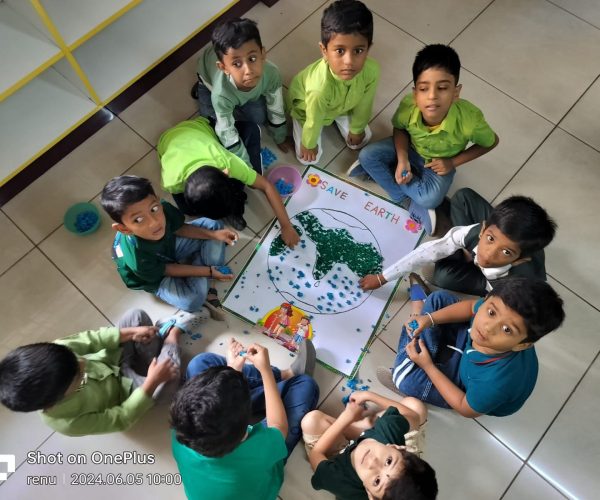
Primary Stage of CBSE (Grades 1–5)
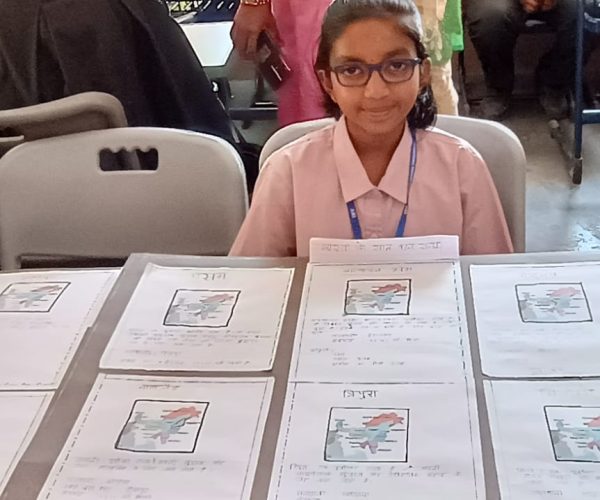
The primary stage of CBSE (Grades 1–5) is about building strong academic foundations while promoting curiosity and exploration. The curriculum is well-rounded, including both scholastic and co-scholastic areas.
Core Subjects:
- Languages: English and Hindi (or regional languages), focusing on reading, writing, speaking, and comprehension.
- Mathematics: Conceptual understanding of numbers, operations, patterns, and basic problem-solving.
- Environmental Studies (EVS): Integrates Science, Social Science, and life skills to create awareness about nature, society, and health.
- Art & Craft: Encourages creativity, imagination, and fine motor skills.
- Physical Education: Builds physical fitness, teamwork, and discipline.
- Co-Scholastic Activities: Music, dance, drama, and basic computer skills.
Teaching Approach:
- Activity-Based Learning: Hands-on experiments, model-making, and group projects.
- Digital Integration: Use of smart boards, multimedia, and educational apps in daily lessons.
- Concept-Based Assessment: Focus on understanding rather than rote memorization.
At IKV School, the primary curriculum emphasizes concept clarity, digital engagement, and holistic growth, ensuring students are confident and ready for middle school challenges.
What Does the CBSE Middle School Curriculum (Grades 6–8) Include?
CBSE Middle School (Grades 6–8)
CBSE Middle School (Grades 6–8) focuses on conceptual learning, critical thinking, and skill development. It prepares students for the academic rigor of secondary school while promoting holistic growth.
Key Subjects:
- Languages: English, Hindi, and regional languages – enhancing reading, writing, speaking, and comprehension.
- Mathematics: Problem-solving, algebra, geometry, and introduction to statistics.
- Science: Basic concepts in Physics, Chemistry, and Biology with hands-on experiments.
- Social Science: History, Geography, Civics, and Economics integrated into EVS projects.
- Co-Scholastic Subjects: Art, Music, Physical Education, and Life Skills.
- Digital Learning: Integration of multimedia, virtual labs, and interactive tools.
Teaching Approach:
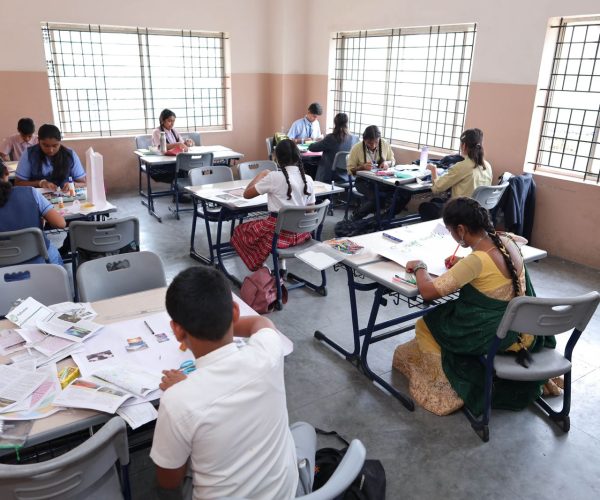
- Project-Based Learning: Encourages application of concepts through real-world projects.
- Concept-Based Assessments: Emphasis on understanding concepts rather than rote memorization.
- Skill Development: Critical thinking, collaboration, problem-solving, and digital literacy.
At IKV School, middle school students benefit from digital classrooms and experiential learning, ensuring they develop analytical thinking and creativity, which aligns with NEP 2020’s emphasis on skill-based education.
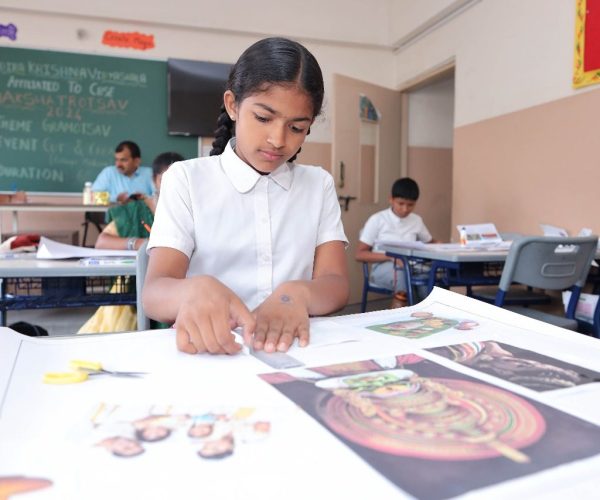
What Is the Focus of CBSE Secondary Classes (Grades 9–10)?
CBSE Secondary School (Grades 9–10) is designed to prepare students for board examinations while maintaining a holistic and skill-based approach.
Core Subjects:
Languages: English, Hindi/Regional language – with advanced grammar, literature, and comprehension.
Mathematics: Algebra, Geometry, Trigonometry, Probability, and Data Handling.
Science: Detailed Physics, Chemistry, Biology, and practical lab work.
Social Science: History, Geography, Civics, and Economics aligned with NCERT syllabus.
Optional Subjects: Third language, IT, or skill-based subjects depending on school policy.
Assessment Pattern:
Formative Assessment (FA): Continuous evaluation via quizzes, projects, and assignments.
Summative Assessment (SA): End-of-term exams assessing conceptual clarity.
Board Examination: Class 10 CBSE Board Exam is based on NCERT curriculum, integrating knowledge and application.
Teaching Approach:
Analytical & Problem-Solving Skills: Students are trained to approach questions critically.
Experiential Learning: Science labs, project work, and collaborative activities.
Digital Integration: Smart classrooms, online resources, and interactive learning platforms.
At IKV School, secondary students are equipped with digital tools, expert guidance, and holistic support, ensuring academic excellence and readiness for higher education, in line with NEP 2020 objectives.
How Does CBSE Integrate NEP 2020 into Its Curriculum?
National Education Policy (NEP) 2020 and CBSE Curriculum
The National Education Policy (NEP) 2020 aims to make education holistic, flexible, and skill-oriented, and CBSE has aligned its curriculum accordingly.
Key NEP 2020 Features in CBSE Curriculum:
- 5+3+3+4 Structure:
- Foundational Stage (KG–Class 2)
- Preparatory Stage (Classes 3–5)
- Middle Stage (Classes 6–8)
- Secondary Stage (Classes 9–12)
- Experiential & Skill-Based Learning: Projects, hands-on activities, and real-life application of concepts.
- Reduced Rote Learning: Emphasis on conceptual understanding and critical thinking.
- Flexibility in Subject Choice: Students can explore interdisciplinary subjects from early grades.
- Digital Literacy & Innovation: Integration of technology in teaching to prepare students for 21st-century challenges.
At IKV School, NEP 2020 is implemented through digital classrooms, experiential learning labs, and holistic co-scholastic programs, ensuring every student develops academic knowledge, life skills, and creativity.
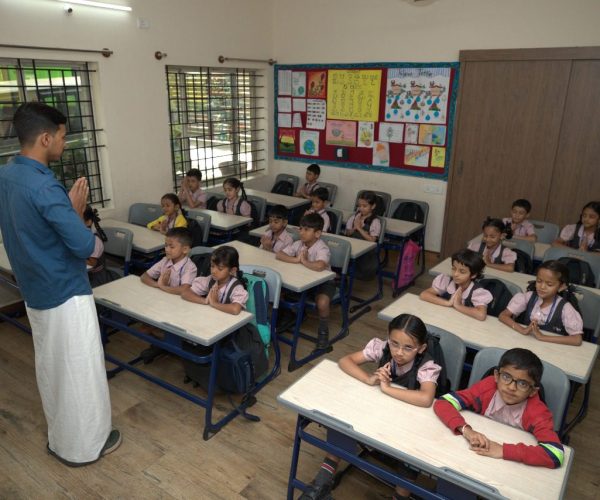
What Is the CBSE Assessment and Examination Pattern?
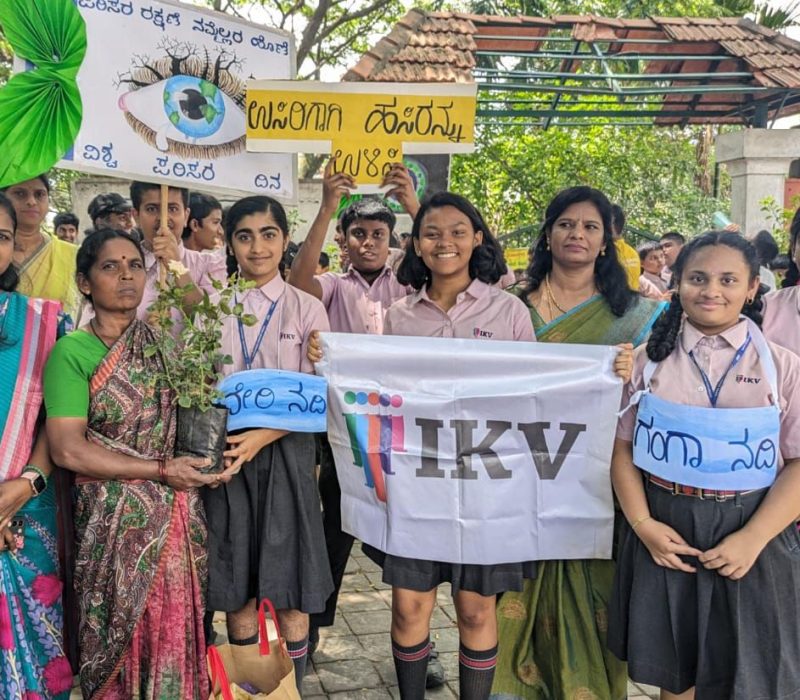
CBSE Assessment Pattern
CBSE follows a balanced assessment approach to evaluate both academic knowledge and skills:
- Formative Assessments (FA): Regular quizzes, projects, and assignments to track progress.
- Summative Assessments (SA): End-of-term exams that evaluate overall learning.
- Board Examination (Class 10): Evaluates conceptual understanding and application of knowledge.
- Co-Scholastic Assessment: Grading on art, music, physical education, and life skills.
This approach ensures continuous feedback, encourages learning by understanding, and reduces stress while preparing students for higher education.
What Is Concept-Based Learning in CBSE Schools?
Concept-Based Learning in CBSE
Concept-based learning is a core feature of the CBSE curriculum. Instead of rote memorization, students are encouraged to understand underlying concepts and apply knowledge in real-life situations.
Key Features:
- Deep Understanding: Students grasp the “why” and “how” behind facts.
- Application-Oriented: Encourages problem-solving and project-based activities.
- Interdisciplinary Learning: Links concepts across subjects like Science, Math, and Social Science.
- Critical Thinking: Students analyze, evaluate, and synthesize information.
At IKV School, concept-based learning is reinforced through digital classrooms, interactive activities, and experiments, ensuring children develop logical thinking and creativity from an early age.
Key Features:Deep Understanding: Students grasp the “why” and “how” behind facts.Application-Oriented: Encourages problem-solving and project-based activities.Interdisciplinary Learning: Links concepts across subjects like Science, Math, and Social Science.Critical Thinking: Students analyze, evaluate, and synthesize information.At IKV School, concept-based learning is reinforced through digital classrooms, interactive activities, and experiments, ensuring children develop logical thinking and creativity from an early age.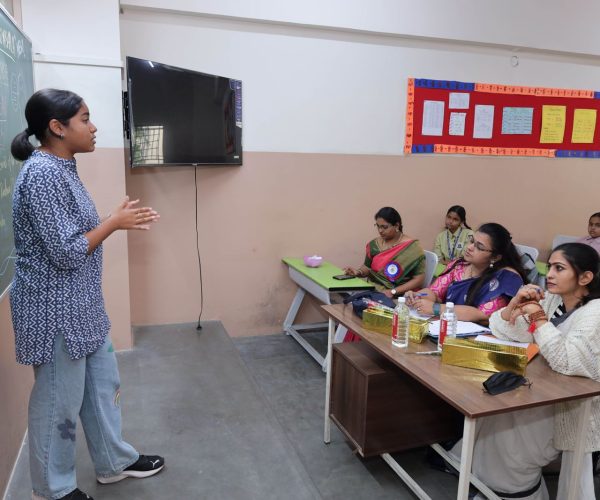
What Is the Focus of CBSE Secondary Classes (Grades 9–10)?
How Do Digital Classrooms Enhance CBSE Learning?
Digital classrooms are transforming CBSE education by integrating technology, multimedia, and interactive tools into everyday teaching.
Benefits:
- Engaging Lessons: Multimedia presentations, videos, and animations make learning fun.
- Interactive Learning: Smart boards, quizzes, and virtual labs enhance participation.
- Individualized Learning: Students can learn at their own pace with online resources.
- Skill Development: Digital tools improve tech literacy, research skills, and collaboration.
At IKV School, every grade benefits from smart classrooms where digital tools support both scholastic and co-scholastic activities, making the curriculum more effective and modern.
How Does CBSE Promote Holistic Development?
CBSE emphasizes holistic development—balancing academic knowledge with co-scholastic growth.
Holistic Learning Includes:
- Co-Scholastic Activities: Art, music, drama, and physical education.
- Life Skills: Communication, leadership, teamwork, and emotional intelligence.
- Project-Based Learning: Encourages exploration, creativity, and real-world problem-solving.
- Community Engagement: Activities that foster social responsibility and empathy.
At IKV School, students engage in sports, arts, coding, and social initiatives, ensuring they are well-rounded individuals ready for future challenges.
How Can Parents Support Their Children in CBSE Learning?
Parents play a crucial role in enhancing CBSE learning outcomes.
Tips for Parents:
- Regular Engagement: Discuss lessons, encourage questions, and track progress.
- Use School Resources: Digital platforms, homework portals, and study material.
- Encourage Creativity & Critical Thinking: Support projects, experiments, and problem-solving tasks.
- Balance Academic & Co-Scholastic Activities: Ensure children participate in sports, arts, and skill development.
By collaborating with schools like IKV, parents can reinforce learning at home, helping children excel academically and develop essential life skills.
Conclusion
The CBSE curriculum from Kindergarten to Class 10 provides a well-structured, holistic, and skill-oriented learning journey for students. With its concept-based learning, digital classrooms, and alignment with NEP 2020, CBSE ensures children develop critical thinking, creativity, and academic excellence at every stage of their education.
At IKV School, Bangalore, this curriculum is implemented with modern teaching methods, experiential learning, and co-scholastic programs, offering students a nurturing and engaging environment for all-round growth. By combining scholastic knowledge with life skills, IKV prepares students not just for exams but for real-world challenges and future success.
FAQs
Q1: Is CBSE better than other boards?
CBSE is widely recognized for its concept-based learning, national standardization, and flexibility, making it suitable for students who plan to pursue competitive exams or higher studies in India or abroad.
Q2: How can parents support children in the CBSE curriculum?
Parents can support by encouraging curiosity, monitoring progress, promoting reading, and using digital learning resources provided by schools like IKV.
Q5: What makes IKV School different in implementing the CBSE curriculum?
IKV School stands out by integrating digital learning, experiential teaching, and holistic development programs into the CBSE framework. Students benefit from interactive classrooms, co-scholastic activities, and NEP 2020-aligned learning pathways, which focus on academic excellence, creativity, and life skills. This approach ensures children are well-prepared for higher education and real-world challenges while enjoying a supportive and stimulating environment.
Q3: What are the advantages of CBSE schools like IKV?
IKV integrates digital classrooms, experiential learning, co-scholastic programs, and NEP 2020-aligned curriculum, ensuring holistic development and academic excellence.
Q4: How does CBSE help in preparing students for competitive exams?
CBSE emphasizes conceptual understanding and problem-solving skills, which are the foundation for most competitive exams like JEE, NEET, and Olympiads. The curriculum’s focus on analytical thinking, logical reasoning, and application-based learning ensures students develop strong academic skills from an early stage. At IKV School, the digital classrooms, project-based learning, and personalized guidance further enhance preparation for higher studies and competitive challenges.