
Importance of Early Childhood Education: Why Kindergarten Learning Matters Most
Introduction:
Early childhood education is the foundation of a child’s lifelong learning and development. The years between ages 3 and 6 are critical for building cognitive, social, and emotional skills that shape future academic success and personal growth.
At IKV School, Bangalore, the kindergarten program is designed to provide holistic, concept-based learning through digital classrooms, interactive activities, and co-scholastic development programs. This ensures children not only gain strong academic foundations but also develop creativity, critical thinking, and life skills.
What Is Early Childhood Education?
1. What is Early Childhood Education (ECE)?
Early Childhood Education (ECE) refers to structured learning programs designed for children aged 3–6 years. It goes beyond childcare, focusing on nurturing curiosity, creativity, and readiness for formal schooling.
2. Building Foundational Skills
ECE lays the groundwork for essential literacy, numeracy, and problem-solving skills. Children learn through songs, stories, and hands-on activities that make learning engaging and effective.
3. Social and Emotional Growth
Through group play and guided activities, children develop empathy, sharing habits, teamwork, and communication — key traits that shape confident, well-adjusted learners.
4. Physical and Cognitive Development
ECE programs promote fine and gross motor skills through art, play, and movement. At the same time, cognitive growth is supported by activities that boost memory, concentration, and critical thinking.
5. ECE at IKV School
At IKV School, Early Childhood Education blends concept-based learning, interactive play, and digital classrooms. This holistic approach ensures every child enjoys learning while building strong academic and emotional foundations.
Why Is Kindergarten Learning Important for Young Children?
Kindergarten is a vital stage where children begin exploring, asking questions, and developing learning habits that shape their future. It focuses on four key areas:
- Cognitive and Language Development: Early exposure to numbers, letters, and vocabulary builds strong thinking and communication skills.
- Social and Emotional Growth: Interaction with peers encourages empathy, cooperation, and confidence.
- Curiosity and Love for Learning: Play-based and creative activities nurture imagination and a positive attitude toward learning.
- Foundation for Future Learning: Kindergarten prepares children for structured academics and classroom discipline in primary school.
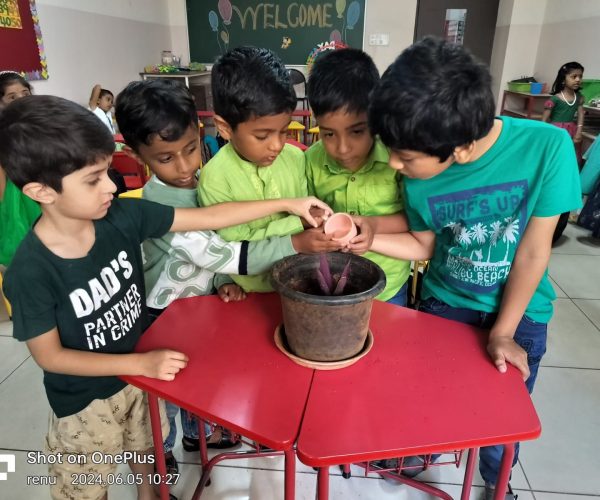
How Does Early Childhood Education Support Cognitive Development?
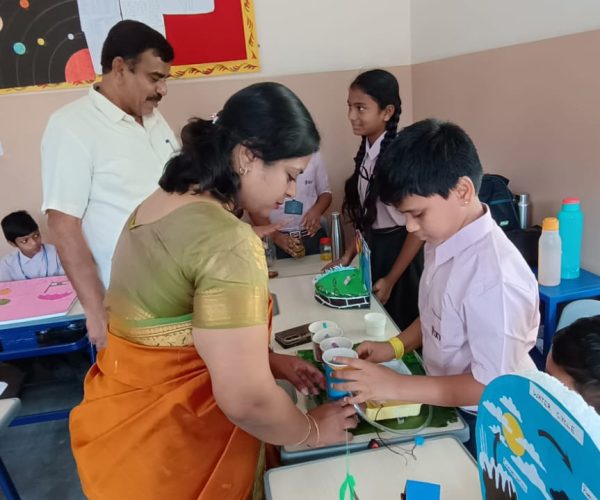
Cognitive development is the process through which children learn to think, reason, and solve problems. During the kindergarten years (ages 3–6), the brain grows rapidly, and learning experiences play a key role in shaping intellectual abilities.
- Problem-Solving Skills: Engaging activities and puzzles help children analyze situations, make decisions, and find creative solutions.
- Language Skills: Reading, storytelling, and conversations expand vocabulary and improve comprehension.
- Memory and Concentration: Games involving numbers, shapes, and patterns enhance focus and recall.
- Critical Thinking: Asking questions like “why” and “how” encourages logical reasoning and curiosity.
How Does Kindergarten Learning Foster Social and Emotional Skills?
Social and Emotional Development in Kindergarten
Social and emotional development is crucial for building relationships, confidence, and empathy. Early childhood education provides structured opportunities for children to interact with peers and adults.
Benefits of Social and Emotional Development in Kindergarten:
- Teamwork & Cooperation: Group activities teach children to share, take turns, and work collaboratively.
- Self-Confidence: Encouragement and recognition help children express ideas freely.
- Empathy & Emotional Awareness: Understanding others’ feelings and managing their own emotions.
- Conflict Resolution: Learning to resolve disputes peacefully and communicate effectively.
At IKV School, play-based learning, co-scholastic activities, and guided peer interaction ensure children develop strong social skills and emotional intelligence early on.
How Does Kindergarten Prepare Children for Primary School?
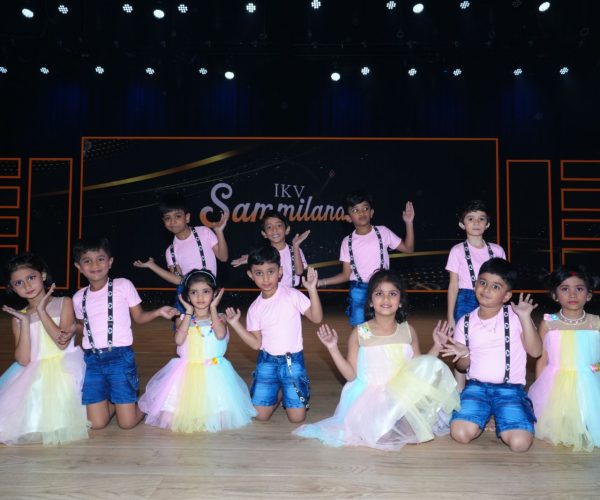
Kindergarten serves as the bridge between home learning and formal schooling, helping children adapt to new routines and structured environments. It builds the confidence, discipline, and curiosity needed for success in primary education.
- Academic Readiness: Early exposure to letters, numbers, shapes, and colors prepares children for foundational learning.
- Classroom Skills: Activities that involve listening, following instructions, and working in groups teach cooperation and discipline.
- Emotional Adjustment: Children learn to manage routines, express emotions, and build positive relationships with teachers and peers.
- Love for Learning: Play-based and exploratory activities nurture creativity, curiosity, and problem-solving skills.
What Are the Academic Benefits of Early Childhood Education?
Early childhood education forms the base for lifelong learning, and kindergarten plays a crucial role in developing core academic skills through a fun, engaging, and structured approach.
- Foundational Literacy & Numeracy: Children are introduced to letters, words, numbers, and simple math concepts that strengthen early reading and counting skills.
- Critical Thinking & Problem-Solving: Interactive activities and guided exercises promote reasoning and decision-making.
- Curiosity & Love for Learning: A playful learning environment inspires children to ask questions, explore ideas, and enjoy discovery.
- Structured Learning Habits: Regular routines help children learn focus, responsibility, and classroom discipline.

How Does Kindergarten Support Holistic Development?
Holistic Development in Kindergarten
Holistic development focuses on intellectual, emotional, social, and physical growth. Kindergarten learning is not limited to academics; it prepares children for all aspects of life.
Key Areas of Holistic Development:
- Physical Development: Fine motor skills through arts, crafts, and play; gross motor skills via sports and movement activities.
- Emotional & Social Growth: Teamwork, empathy, conflict resolution, and communication skills.
- Creativity & Imagination: Art, music, storytelling, and role-playing foster creative thinking.
- Life Skills: Decision-making, self-help, and responsibility.
IKV School emphasizes co-scholastic activities, experiential learning, and play-based programs to nurture well-rounded individuals ready for primary education and future challenges.
Why Is Kindergarten Important for Emotional Intelligence?
Emotional intelligence (EQ) is as important as cognitive skills. Early childhood education helps children understand, express, and manage emotions, which is crucial for social interactions and lifelong success.
Benefits of EQ in Kindergarten:
- Self-Awareness: Recognizing their own feelings.
- Empathy: Understanding others’ emotions.
- Social Skills: Making friends, sharing, and cooperating.
- Resilience: Handling challenges, mistakes, and new experiences positively.
At IKV School, children engage in group activities, guided play, and interactive sessions that cultivate strong emotional and social intelligence, ensuring they are confident and adaptive learners.
What Practical Activities Help Children Learn in Kindergarten?
Kindergarten learning is most effective when children engage in hands-on and interactive activities. These activities build cognitive, social, and emotional skills naturally.
Examples of Effective Activities:
- Storytelling & Reading Circles: Enhances language, imagination, and listening skills.
- Counting & Sorting Games: Improves numeracy, logical thinking, and pattern recognition.
- Arts & Crafts: Develops fine motor skills, creativity, and self-expression.
- Outdoor Play & Physical Activities: Supports gross motor skills, coordination, and teamwork.
- Role-Playing & Dramatization: Encourages social understanding, empathy, and confidence.
At IKV School, these activities are combined with digital learning tools to make lessons interactive, fun, and concept-oriented, ensuring children learn while exploring.
How Do Teachers and Digital Tools Enhance Early Learning?
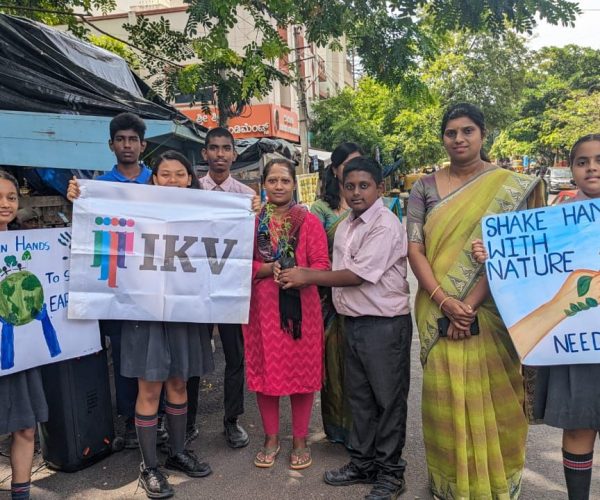
Teachers are the heart of early childhood education, shaping young minds through engaging lessons, play-based learning, and digital tools. Their guidance helps children grow academically, socially, and emotionally.
- Facilitators of Learning: Teachers inspire curiosity, encourage exploration, and develop critical thinking through interactive lessons.
- Observers: They carefully monitor each child’s growth, identifying strengths and providing personalized support.
- Mentors: By nurturing confidence, empathy, and communication, teachers help build emotional intelligence and strong social skills.
- Online Assessments & Progress Tracking help both teachers and parents understand a child’s development.
- Virtual Learning Resources provide individualized experiences beyond the classroom.
- Smart Boards & Interactive Apps make lessons more engaging and visual.
How Do Teachers and Digital Tools Enhance Early Learning?
How Does Play-Based Learning Enhance Development?
Play-based learning is a cornerstone of early childhood education. It combines fun with purposeful learning, fostering holistic development.
Benefits of Play-Based Learning:
- Cognitive Growth: Problem-solving, memory, and critical thinking.
- Social Skills: Collaboration, sharing, and empathy.
- Emotional Wellbeing: Reduces stress, builds confidence, and encourages self-expression.
- Physical Development: Improves coordination, motor skills, and health.
At IKV School, play-based learning is integrated into daily schedules, alongside digital tools and structured activities, allowing children to explore, learn, and grow in a balanced and nurturing environment.
How Can Parents Support Early Childhood Learning at Home?
Parents play a vital role in reinforcing early learning and ensuring children develop holistically.
Practical Tips for Parents:
- Encourage Curiosity: Ask open-ended questions and let children explore answers.
- Read Together Daily: Storytelling and reading sessions improve vocabulary and comprehension.
- Support Play-Based Learning: Provide puzzles, games, and art activities to strengthen cognitive and social skills.
- Limit Screen Time: Use educational content selectively, balancing digital learning with hands-on play.
- Celebrate Achievements: Praise efforts to build confidence and a positive attitude toward learning.
Conclusion
Early childhood education is the foundation for lifelong learning and development. Kindergarten learning plays a critical role in nurturing cognitive, social, emotional, and physical skills, setting children up for academic success and personal growth.
At IKV School, Bangalore, the kindergarten program combines play-based learning, digital classrooms, and holistic development activities to ensure children not only gain strong academic foundations but also develop creativity, critical thinking, and emotional intelligence.
By choosing IKV’s early childhood education program, parents can provide their children with a supportive, engaging, and modern learning environment that prepares them for primary school and future challenges.
Take the Next Step: Explore our kindergarten curriculum, learn about admissions, and discover how IKV School nurtures the leaders of tomorrow.
FAQs
Q1: At what age should children start kindergarten?
A: Children typically start kindergarten at age 3, when they are ready for structured learning, social interaction, and guided play.
Q2: How does kindergarten prepare children for primary school?
A: Kindergarten builds academic readiness, social skills, and emotional resilience, ensuring children transition smoothly to formal primary education.
Q3: Why is play important in early childhood education?
A: Play-based learning fosters cognitive, social, emotional, and physical development, making learning engaging, fun, and effective.
Q4: How does IKV School enhance early learning?
A: IKV integrates digital classrooms, concept-based learning, co-scholastic programs, and experienced teachers to provide a holistic and modern kindergarten experience.